


Liquid assets are those that can quickly and easily be converted into cash in order to pay those bills. Generally, yes, if a company’s current liabilities exceed its current assets. This indicates the company lacks the short-term resources to pay its debts and must find ways to meet its short-term obligations. However, a short period of negative working capital may not be an issue depending on the company’s stage in its business life cycle and its ability to generate cash quickly. Cash short and over arises from the daily flow of cash transactions, especially in industries like retail or restaurants where large volumes of physical cash are handled. These discrepancies occur when the cash counted at the end of a period does not exactly match the total recorded from sales or other transactions.
Causes of Cash Shortage
- Often, financial institutions will allow this fixed-period rule to be broken in exchange for a forfeiture of interest.
- Management must have the necessary cash as payments toward bills and loans come due.
- They are established concerning the kind of account involved, i.e., Real, Personal, and Nominal, and are essentially the basics of journal entries in any accounting system.
- The cash over and short account is an expense account, and so is usually aggregated into the « other expenses » line item in the income statement.
- Alternatively, bigger retail companies interacting with numerous customers daily can generate short-term funds quickly and often need lower working capital.
- Because prepaid expenses may not be refundable and inventory may be difficult to convert to cash quickly without severe product discounts, both are excluded from the asset portion of the quick ratio.
Publicly owned companies must adhere to generally accepted accounting principles (GAAP) and reporting procedures. Financial statements must be generated with specific line items that create transparency for interested parties. One of these statements is the balance sheet which lists a company’s assets, liabilities, and shareholders’ equity. Calculating it correctly requires separating operating, investing, and financing cash flows and understanding the drivers behind each https://cisabfoundationgh.org/how-to-calculate-gross-profit-formula-and-examples-2/ component. Shortcuts like monitoring the cash conversion cycle and a three-item working capital check can provide fast, valuable insights. Next, determine the total current liabilities, which encompass all obligations due within the fiscal year.
How Current Assets Work
- However, a short period of negative working capital may not be an issue depending on the company’s stage in its business life cycle and its ability to generate cash quickly.
- It is considered “net” because it accounts for deductions from gross sales, which include sales returns, allowances for damaged goods, and discounts offered to customers.
- According to Real Accounts, tangible and intangible assets (like cash or machinery) are debited when received and credited when paid out.
- Therefore, companies in these industries need to ensure that they stockpile cash in good times, in order to be able to cover any expensive capital investments or down times.
- In summary, you learned what cash-on-cash return is, how it’s calculated, and what its limits are.
Accounts receivable is the value of all money that’s due to a company for goods or services delivered or used but not yet paid for by customers. It’s entered in current assets provided that the accounts can be expected to be paid within one year. Some of its receivables might not be included in the current assets account if a business makes sales by offering longer credit terms to its customers. Current assets are those that can be sold or liquidated to raise cash in a short time, usually a year.

Current Assets vs. Noncurrent Assets
During the day sales of 1,500 are entered into the register, and a cash count at the end of the day shows cash of 1,588 as summarized below. Thus, this account serves primarily as a detective control—an accounting term for a type of internal control that aims to find problems, including any instances of fraud, within a company’s processes. This term pertains primarily to cash-intensive businesses in the retail and banking sectors, as well as those that need to handle petty cash.
- Earning CFI’s industry-recognized Financial Modeling & Valuation Analyst (FMVA®) Certification equips you with practical skills to stand out in today’s competitive market.
- After calculating a cash short or over, investigate the cause of the discrepancy.
- This gives the team time to hit key milestones, adjust course, or raise new funding without last-minute pressure.
- The cash asset ratio is the current value of marketable securities and cash, divided by the company’s current liabilities.
Create a free account to unlock this Template

They include cash and cash equivalents, accounts receivable, and inventory. A company can improve its working capital by increasing current assets and reducing short-term debts. To boost current assets, it can save cash, build inventory reserves, prepay expenses for discounts, and carefully extend credit to minimize bad debts. To reduce short-term debt, a company can avoid unnecessary borrowing, secure favorable credit terms, and manage its spending efficiently. Even a profitable business can face bankruptcy if it lacks the cash to pay its bills.
What Is Cash and Cash Equivalents (CCE)?
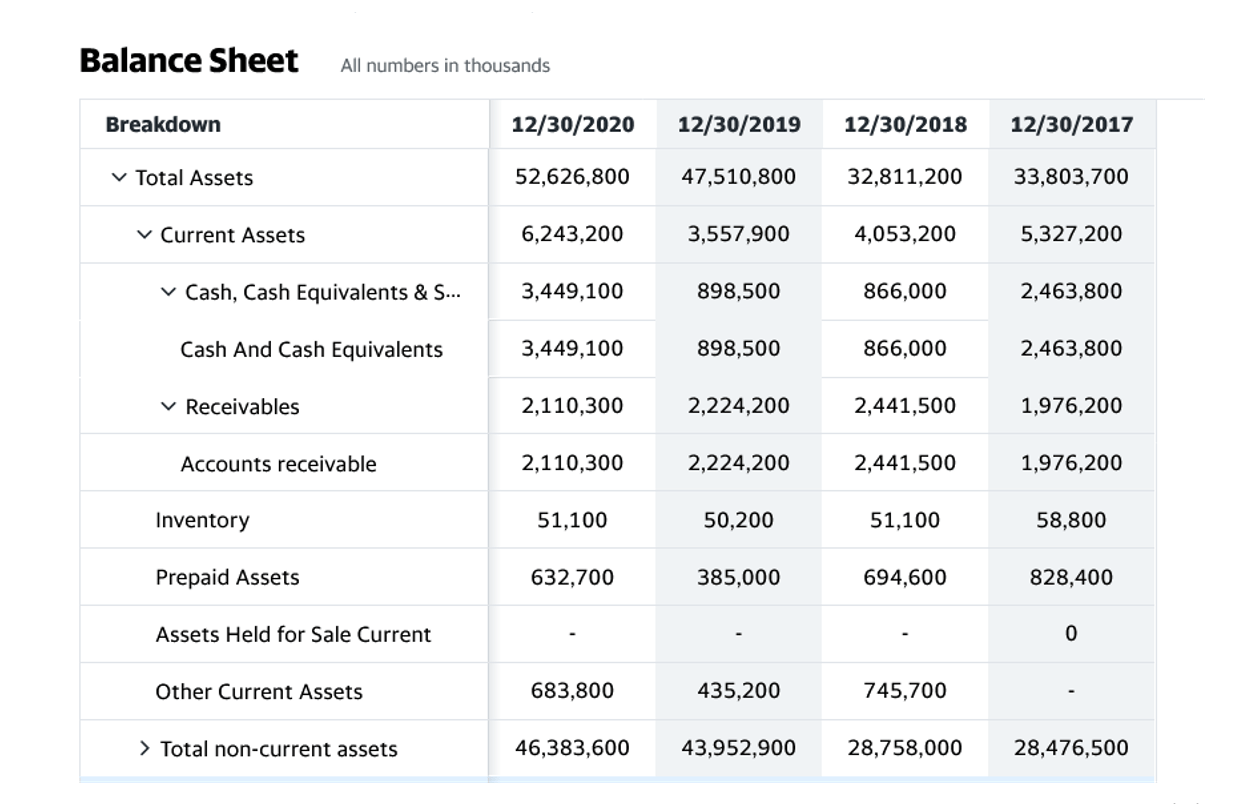
As you can see, cash is separated from cash equivalents in the footnotes, which are broken down here as Level 1 HVAC Bookkeeping or Level 2 to account for different valuation methods. At the bottom of the balance sheet, Apple invites readers to read the accompanying notes. Scroll to there, and you’ll discover more information about Apple’s CCE balance. No one likes being falsely accused, so by having clear procedures in place and following the above tips you can help prevent that from happening.
Definition of Cash Short and Over Account

Moreover, these positions include physical currency, such as banknotes and coins, and balances held in checking, savings, and money market accounts. The cash ratio could be considered an indicator of a firm’s value under the worst-case scenario. The formula how to calculate cash short and over for the cash ratio is the company’s total cash and cash equivalents on hand divided by its outstanding liabilities.